Get Gravel Driveway Installation
Local contractors can install gravel driveways to improve access, prevent erosion, and create durable, low-maintenance surfaces for residential or commercial properties.
If you’re considering a gravel driveway installation, you’re in the right place to explore your options. Many property owners in the area turn to local contractors for practical and durable driveway solutions that enhance accessibility and curb appeal. Whether updating an existing driveway or planning a new one, understanding the benefits of gravel can help inform your project decisions and ensure the finished result meets your needs.
Comparing local service providers can help identify experienced contractors who are familiar with the specific requirements of gravel driveway installation in your community. By reviewing your options and gathering information, you can find the right professionals to handle your project with quality and attention to detail. Keep reading to learn more about how local experts can assist with your driveway needs.
- Residential gravel driveway installation - when homeowners want to create a durable and attractive entrance to their property.
- Commercial gravel driveway construction - for businesses needing reliable access roads that support heavy equipment and high traffic.
- Driveway resurfacing with gravel - to restore or improve the condition of an existing gravel driveway.
- Gravel driveway extension or expansion - when property owners need to increase driveway capacity or length.
- Drainage and grading for gravel driveways - to prevent water pooling and ensure proper runoff around a driveway.
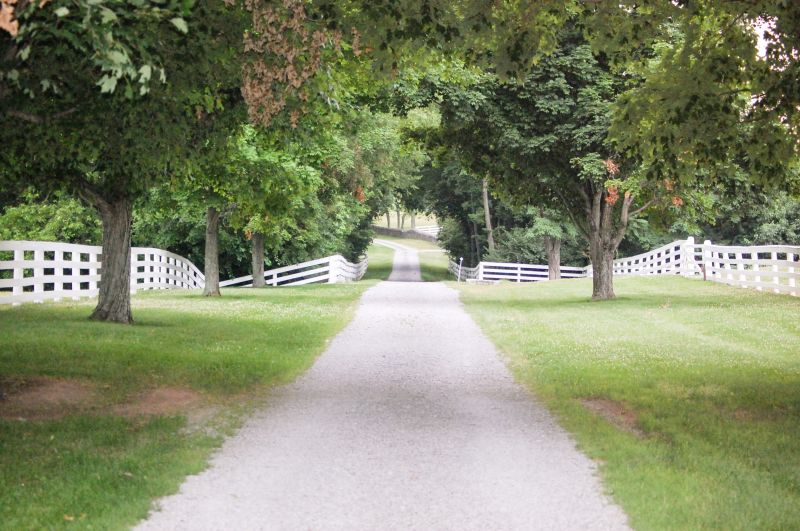
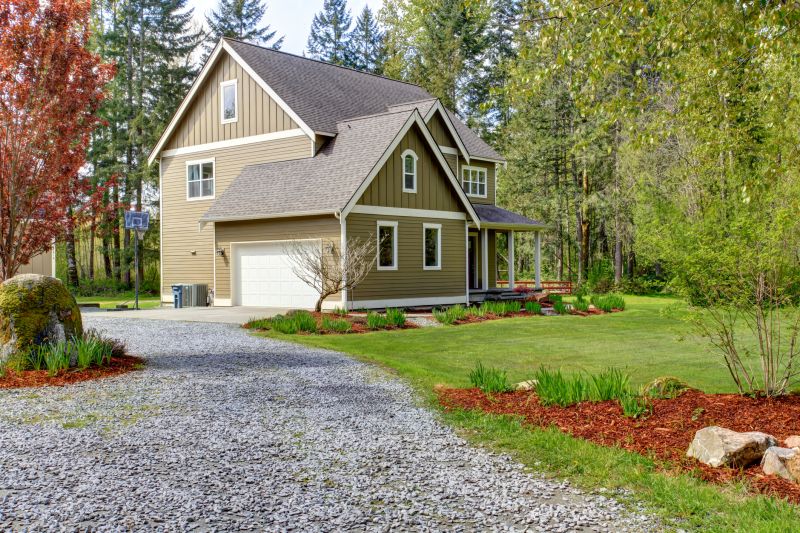
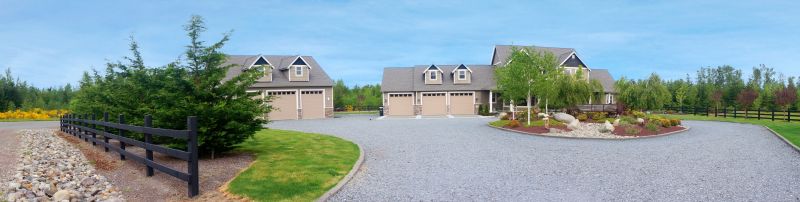
Gravel driveway installation involves preparing the ground and laying down a layer of compacted gravel to create a durable and functional surface. This service typically includes site assessment, ground leveling, and the careful placement of gravel to ensure stability and proper drainage. The process may also involve adding edging materials to keep the gravel contained and prevent shifting over time. Local contractors use various gravel types and installation techniques to meet the specific needs of each property, resulting in a driveway that is both practical and visually appealing.
One of the main problems gravel driveway installation helps solve is the issue of muddy or uneven surfaces. For properties that experience frequent rain or have poorly draining soil, a gravel driveway offers a solution by providing a permeable surface that reduces mud and pooling. Additionally, gravel driveways can help improve access to properties with steep slopes or uneven terrain, making it easier and safer to navigate. They also serve as a cost-effective alternative to paved driveways, especially for homeowners seeking a quick upgrade that requires less maintenance over time.
Gravel driveways are commonly used on residential properties, including single-family homes, rural farms, and vacation cabins. They are particularly popular in areas where the landscape is more natural or where budget considerations make asphalt or concrete less feasible. Commercial properties, such as small businesses or agricultural facilities, may also opt for gravel surfaces to accommodate heavy equipment or frequent vehicle traffic. Overall, gravel driveways are a versatile choice for a variety of property types, offering a balance of affordability, functionality, and ease of installation.
Homeowners who notice issues like persistent mud, uneven ground, or difficulty maintaining their current driveway might consider gravel installation as a practical solution. It can also be a suitable upgrade for properties that need improved accessibility or a more defined driveway boundary. By connecting with local service providers, property owners can find experienced contractors who can assess the site, recommend appropriate gravel types, and handle the installation efficiently. This service provides a reliable option for creating a durable, attractive driveway tailored to the specific needs of each property.
The overview below groups typical Gravel Driveway Installation projects into broad ranges so you can see how smaller, mid-sized, and larger jobs often compare in your area.
In many markets, a large share of routine jobs stays in the lower and middle ranges, while only a smaller percentage of projects moves into the highest bands when the work is more complex or site conditions are harder than average.
Smaller Repairs - Typical costs for minor gravel driveway repairs, such as filling potholes or adding a layer of gravel, generally range from $250 to $600. Many routine maintenance jobs fall within this middle range, depending on the extent of the work needed.
Basic Installation - Installing a new gravel driveway or replacing an existing one usually costs between $1,200 and $3,000 for most projects. Larger or more complex installations can reach $4,500, though fewer projects tend to push into this higher tier.
Full Replacement - Complete removal and replacement of an existing driveway with gravel often costs from $3,000 to $6,000. Projects on the higher end tend to involve additional site preparation or larger surface areas, which are less common.
Custom or Large-Scale Projects - Extensive gravel driveway installations, including custom designs or large properties, can exceed $6,000 and may reach $10,000 or more. These higher costs are typically associated with complex layouts and additional features.
Actual totals will depend on details like access to the work area, the scope of the project, and the materials selected, so use these as general starting points rather than exact figures.
Patio and Pathway Paving - Local contractors skilled in gravel driveway installation often have experience creating durable and attractive patios and walkways using similar groundwork and gravel placement techniques.
Landscape Grading and Drainage - Proper grading and drainage planning are essential for both driveways and landscape projects, making these services related in site preparation and soil management skills.
Garage or Shed Foundations - Installing foundations for small structures requires similar site prep, leveling, and gravel base work as gravel driveway projects.
Walkway and Sidewalk Construction - Building walkways involves similar planning, excavation, and gravel layering skills used in driveway installation.
Retaining Wall Installation - Constructing retaining walls often involves site assessment, soil stabilization, and gravel use, aligning with driveway groundwork techniques.
Driveway Repair and Resurfacing - Repairing or resurfacing existing gravel driveways shares techniques in gravel compaction, grading, and surface leveling with new installations.
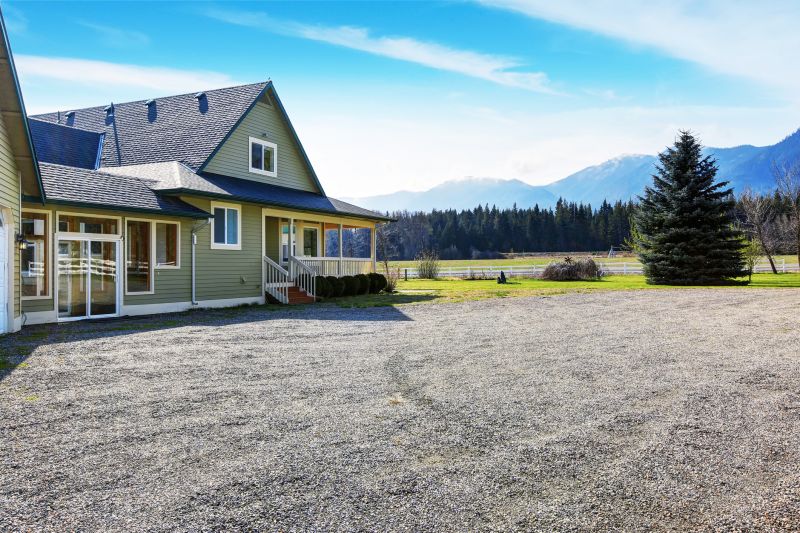
When comparing local contractors for gravel driveway installation, it’s important to consider their experience with similar projects. Homeowners should look for service providers who have a proven track record of completing driveway installations in environments comparable to their own. This helps ensure that the contractor understands the specific challenges and best practices associated with gravel driveways, leading to a more successful outcome. Asking about past projects or requesting examples of completed work can provide insight into their familiarity with the scope and complexity of this type of work.
Clear, written expectations are essential when evaluating potential service providers. Homeowners should seek contractors who can clearly outline the scope of work, materials to be used, and any other relevant details in a written format. This helps prevent misunderstandings and ensures that both parties are aligned on what will be delivered. A detailed proposal or estimate can serve as a valuable reference point throughout the project, making it easier to compare options and make informed decisions.
Reputable references and good communication are key indicators of a reliable service provider. Homeowners are encouraged to ask for references from previous clients who had similar gravel driveway projects completed. Contacting these references can reveal insights about the contractor’s professionalism, reliability, and quality of work. Additionally, a contractor’s responsiveness and clarity in communication during the inquiry process can signal their commitment to customer service. Choosing local service providers who demonstrate transparency and good communication can contribute to a smoother, more predictable installation experience.
Property owners use Gravel Driveway Installation services for practical projects around their homes and businesses. This guide focuses on everyday jobs and straightforward project options.
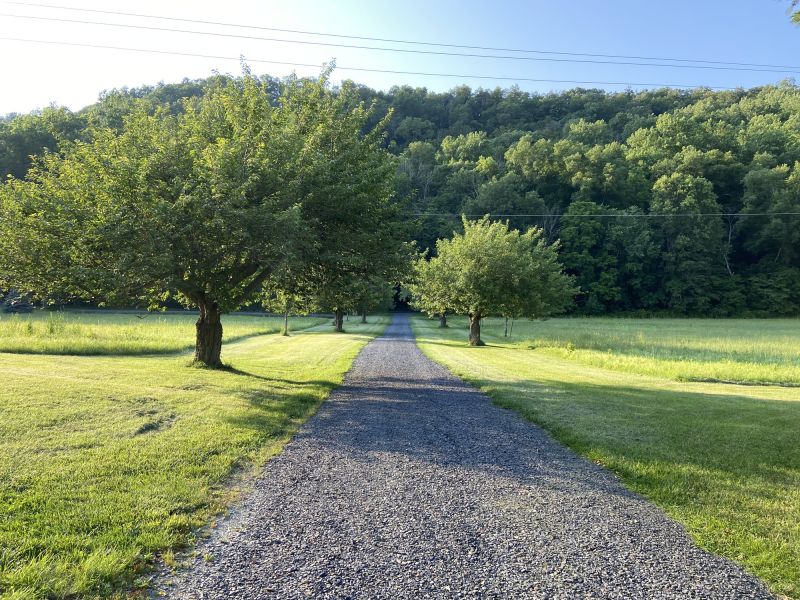
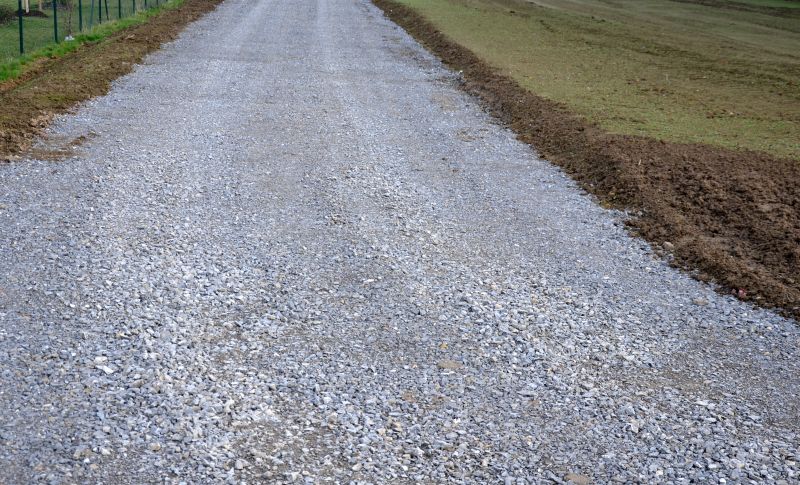
Gravel driveway installation is a common project for property owners who want a practical and affordable surface for parking areas, walkways, or access routes. Local contractors often handle these jobs when homeowners are looking to improve curb appeal or replace worn-out surfaces. Whether preparing a new property for use or upgrading an existing driveway, many find that professional installation can help ensure a durable and well-graded surface suited to everyday needs.
Property owners may seek gravel driveway services for various reasons, such as enhancing accessibility, managing drainage issues, or simply creating a low-maintenance outdoor space. Local service providers are equipped to handle projects of different sizes, helping to shape functional driveways that meet individual property requirements. Connecting with experienced local contractors can make the process smoother and help achieve reliable results for everyday property use.
What is involved in installing a gravel driveway? Local contractors typically prepare the site, lay a suitable base layer, and evenly spread the gravel to create a durable driveway surface.
Can a gravel driveway be installed on any type of land? Many service providers can assess the land and determine if it is suitable for gravel driveway installation, considering factors like drainage and terrain.
What types of gravel are used for driveways? Local pros often work with various gravel types, such as crushed stone, pea gravel, or river rock, depending on the desired look and functionality.
Is a gravel driveway suitable for all climates? Contractors can advise on gravel options that perform well in different weather conditions, including areas with heavy rain or snow.
What maintenance is required for a gravel driveway? Service providers can recommend regular grading and adding gravel as needed to keep the driveway level and functional over time.
Driveway Resurfacing - Property owners can enhance the appearance and functionality of existing gravel driveways by upgrading or resurfacing them with the help of local contractors.
Pathway Construction - Installing gravel pathways around gardens or yards provides a durable and low-maintenance walking surface for everyday use.
Parking Area Setup - Creating designated gravel parking areas can improve accessibility and organization for residential or small commercial properties.
Drainage Solutions - Local service providers can assist in designing gravel-based drainage systems to prevent water pooling and soil erosion around driveways.
If you are thinking about Gravel Driveway Installation for a property, this guide is meant to help you understand the work, the typical project types, and how different options might fit your plans.
When you are ready, you can use the quote form on this page to share a few details about your project. From there, local pros can review the basics and respond with options that match what you have in mind.