
Field Clearing in Salt Lake City, UT
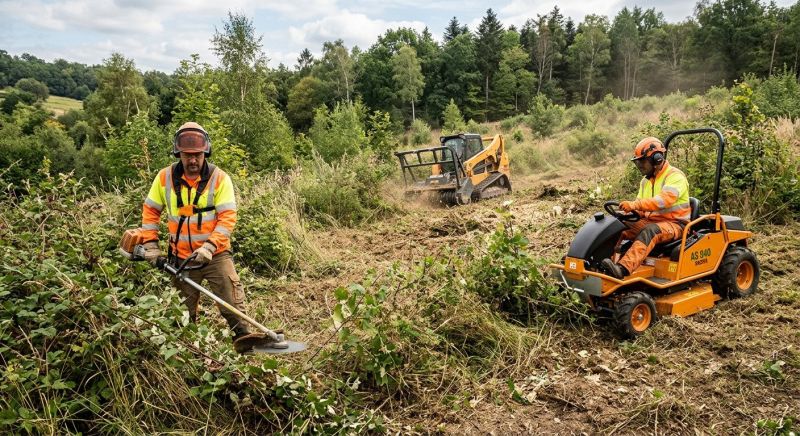
Field clearing services involve removing trees, shrubs, brush, and other vegetation to prepare a property for development, landscaping, or maintenance. This process is commonly requested for projects such as building new structures, creating open lawn spaces, installing fencing, or improving accessibility around a property. Property owners should consider the size and type of vegetation to be cleared, the scope of the project, and any local regulations or permits required before requesting services. Understanding these details helps ensure the clearing process aligns with the intended use of the land and complies with applicable guidelines.
Homeowners often inquire about how the clearing will be performed, the potential impact on the landscape, and the disposal of removed materials. It’s important to clarify whether the project involves selective clearing or complete removal of vegetation, as well as any concerns about protecting existing trees or features. Additionally, property owners should confirm if any permits are needed and discuss the timeline and scope of work to ensure the project meets their expectations. This preparation helps facilitate a smooth process tailored to the specific needs of the property.
Many property owners in Salt Lake City, UT look into Field Clearing for repairs, replacements, upgrades, and appearance-related improvements.
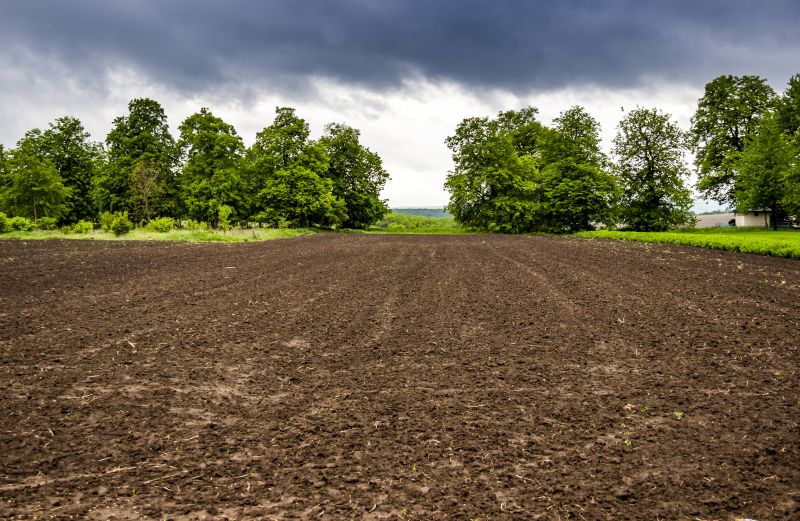
Site Preparation And Clearing
Removing trees, shrubs, and debris to prepare land for development or landscaping.

Overgrown Land Management
Clearing dense vegetation to improve accessibility and visibility on residential or commercial properties.
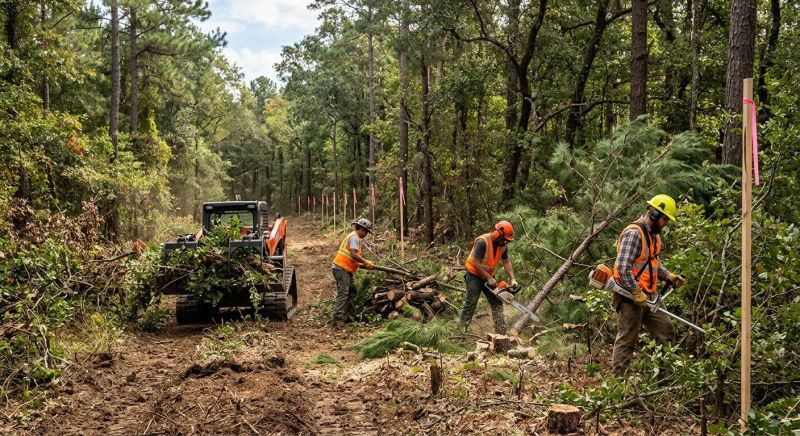
Hazardous Tree Removal
Eliminating unstable or dead trees to ensure safety and prevent property damage in salt lake city, ut.
Field Clearing in Salt Lake City, UT

Field clearing services involve removing trees, shrubs, brush, and other vegetation to prepare a property for development, landscaping, or maintenance. This process is commonly requested for projects such as building new structures, creating open lawn spaces, installing fencing, or improving accessibility around a property. Property owners should consider the size and type of vegetation to be cleared, the scope of the project, and any local regulations or permits required before requesting services. Understanding these details helps ensure the clearing process aligns with the intended use of the land and complies with applicable guidelines.
Homeowners often inquire about how the clearing will be performed, the potential impact on the landscape, and the disposal of removed materials. It’s important to clarify whether the project involves selective clearing or complete removal of vegetation, as well as any concerns about protecting existing trees or features. Additionally, property owners should confirm if any permits are needed and discuss the timeline and scope of work to ensure the project meets their expectations. This preparation helps facilitate a smooth process tailored to the specific needs of the property.
Many property owners in Salt Lake City, UT look into Field Clearing for repairs, replacements, upgrades, and appearance-related improvements.
Common Field Clearing Jobs
Field Clearing Questions
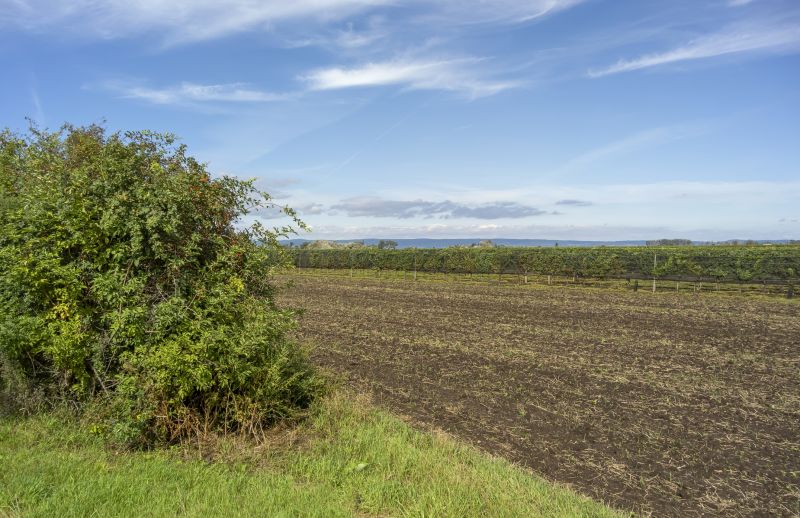
What is field clearing? Field clearing involves removing trees, brush, and debris to prepare land for development, farming, or landscaping projects.
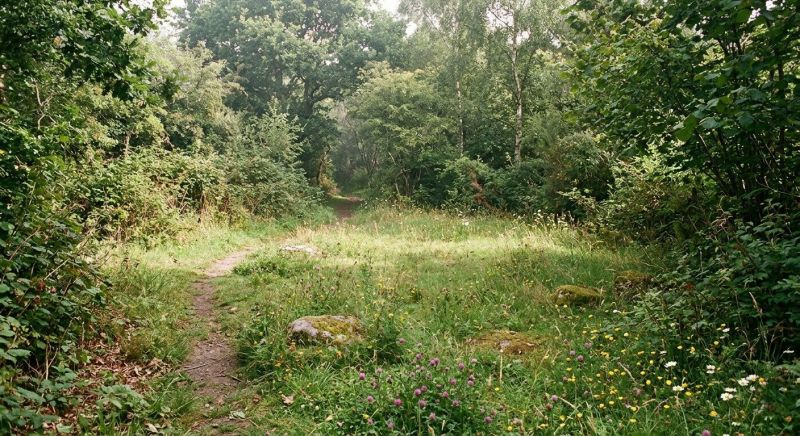
When is field clearing needed? It is typically requested when property owners want to create open space, build structures, or improve land accessibility.
What types of projects require field clearing? Projects such as new construction, property expansion, agricultural development, or creating recreational areas often need field clearing services.
What should property owners consider before clearing a field? It’s important to assess local regulations, plan for proper disposal of debris, and determine the extent of clearing needed for the project.
Request Field Clearing in Salt Lake City, UT
Use the quote form on this page to share the basics of your project and request more information for the type of work you need.