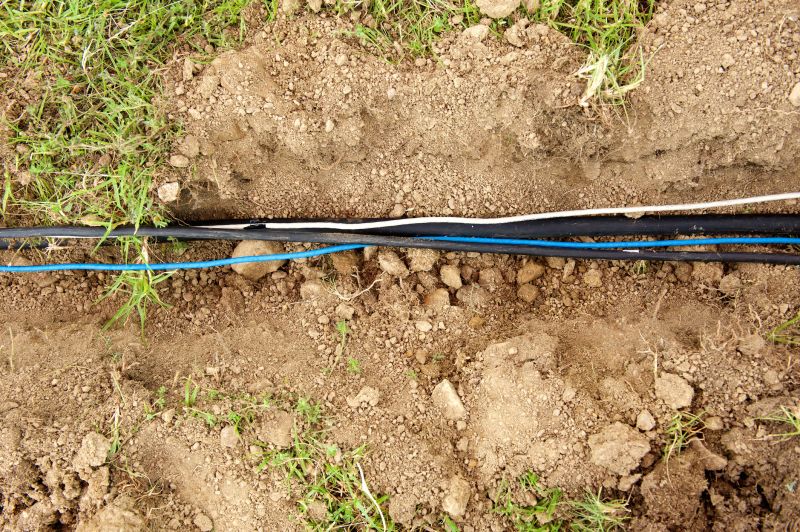
Electrical Line Trenching in Salt Lake City, UT
Electrical line trenching services involve excavating narrow, precise channels in the ground to install or repair underground electrical cables and wiring. This service is commonly used for projects such as connecting new outdoor lighting, powering detached structures like garages or sheds, or upgrading existing electrical systems to meet current needs. Property owners should understand the scope of the trenching, including the depth and width required for their specific electrical installations, as well as any potential impact on landscaping or existing underground utilities before requesting this service.
Before requesting electrical line trenching, homeowners typically want to clarify the project's purpose, the type of wiring involved, and any local regulations or permits that might be necessary. It’s also important to consider the location of underground utilities, property boundaries, and the potential need for backfilling and restoration after the trenching is completed. Proper planning ensures the trenching aligns with electrical safety standards and meets the specific requirements of the electrical work planned for the property.
Many property owners in Salt Lake City, UT look into Electrical Line Trenching for repairs, replacements, upgrades, and appearance-related improvements.
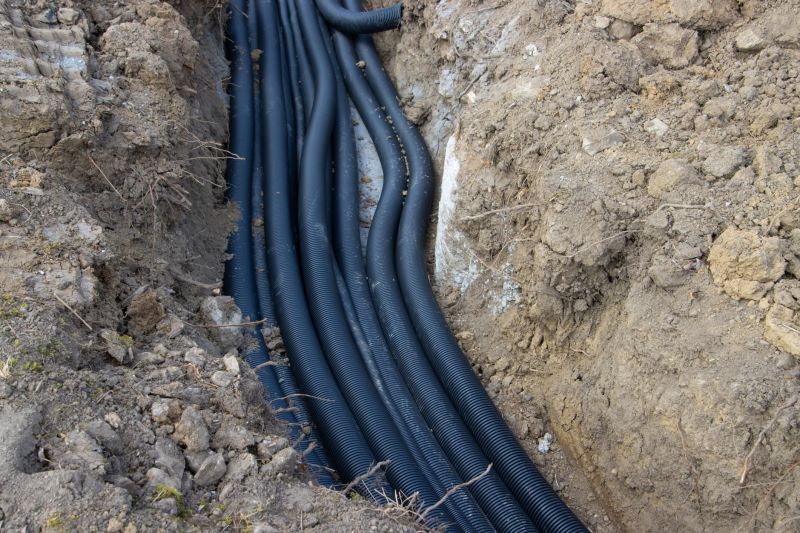
Electrical Line Trenching Basics
Proper trenching ensures safe and efficient underground electrical wiring for residential and commercial properties.
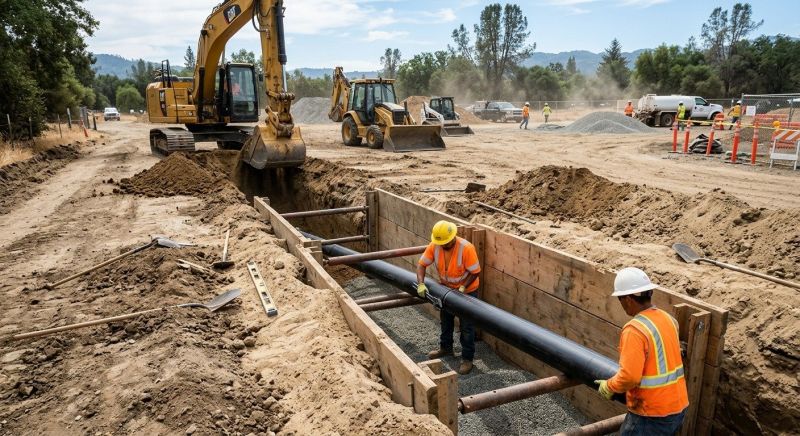
Common Trenching Projects
Trenching services are often needed for installing new power lines, upgrading existing electrical systems, or preparing for outdoor lighting in salt lake city, ut.
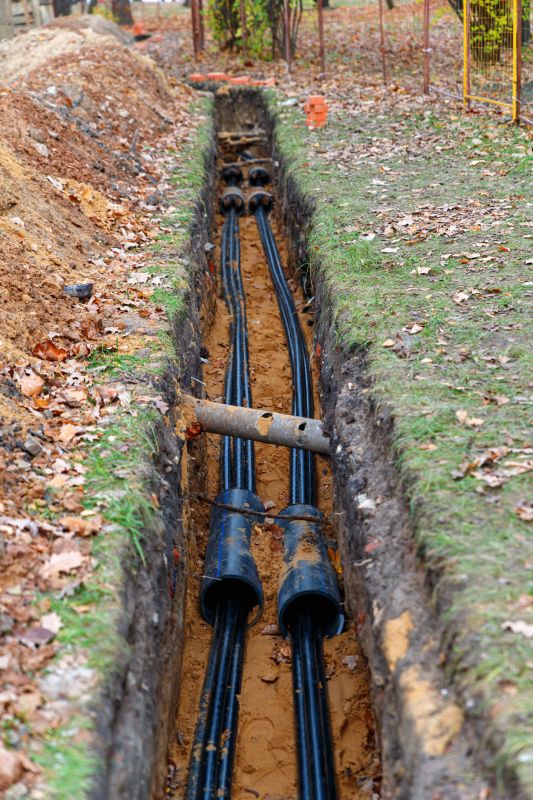
Safety And Compliance Considerations
Professional trenching follows local codes and safety standards to protect property and ensure reliable electrical connections.
Electrical Line Trenching in Salt Lake City, UT

Electrical line trenching services involve excavating narrow, precise channels in the ground to install or repair underground electrical cables and wiring. This service is commonly used for projects such as connecting new outdoor lighting, powering detached structures like garages or sheds, or upgrading existing electrical systems to meet current needs. Property owners should understand the scope of the trenching, including the depth and width required for their specific electrical installations, as well as any potential impact on landscaping or existing underground utilities before requesting this service.
Before requesting electrical line trenching, homeowners typically want to clarify the project's purpose, the type of wiring involved, and any local regulations or permits that might be necessary. It’s also important to consider the location of underground utilities, property boundaries, and the potential need for backfilling and restoration after the trenching is completed. Proper planning ensures the trenching aligns with electrical safety standards and meets the specific requirements of the electrical work planned for the property.
Many property owners in Salt Lake City, UT look into Electrical Line Trenching for repairs, replacements, upgrades, and appearance-related improvements.
Common Electrical Line Trenching Jobs
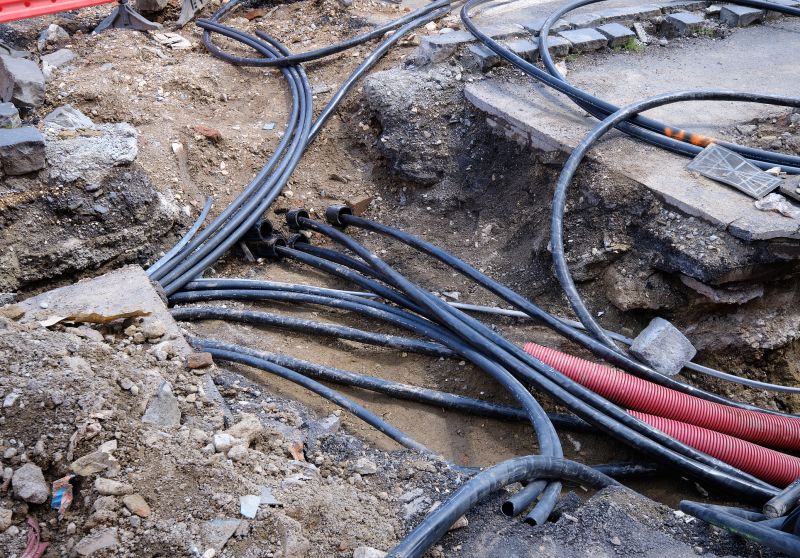
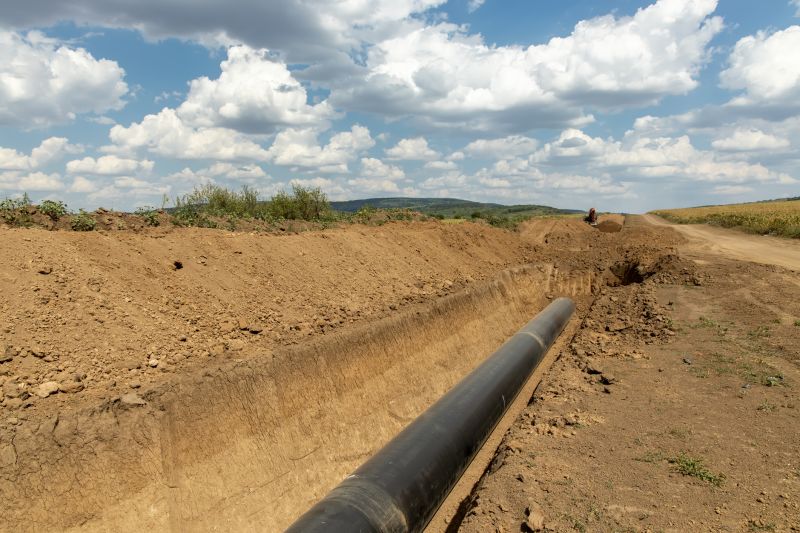
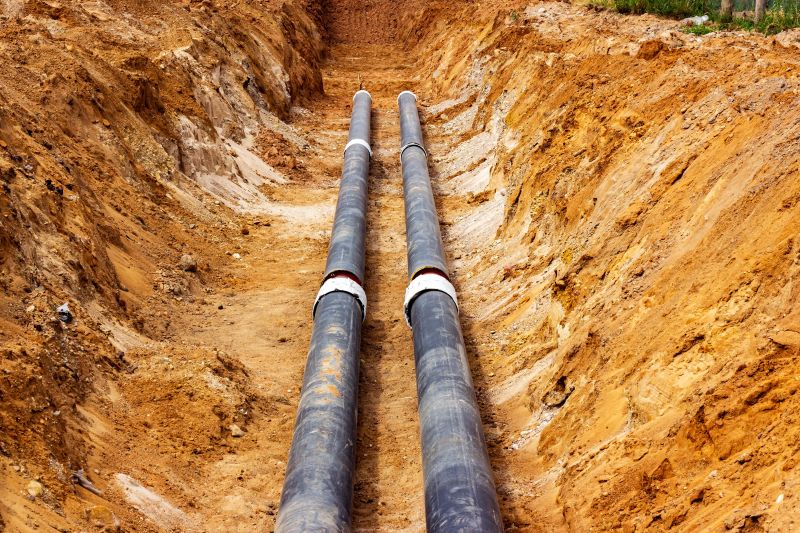
Electrical line trenching involves digging trenches to install underground electrical cables safely.
Residential electrical wiring projects require trenching to connect new or existing power sources.
Underground utility installation includes trenching for electrical lines to ensure a reliable power supply.
Property upgrades often involve trenching to upgrade or extend electrical systems.
Landscape lighting wiring projects use trenching to hide cables and protect them from damage.
Renewable energy systems like solar or wind installations may need trenching for electrical connections.
Electrical Line Trenching Questions
What is electrical line trenching? It is the process of digging narrow trenches to install underground electrical cables for property wiring or upgrades.
When is trenching necessary for electrical work? Trenching is needed when underground wiring is required for new installations, repairs, or upgrades to existing electrical systems.
How deep are electrical lines typically buried? Electrical lines are usually buried between 18 to 24 inches deep to ensure safety and protection from surface disturbances.
What types of projects benefit from trenching services? Projects such as installing new electrical service, outdoor lighting, or extending power to outbuildings often require trenching services.
Request Electrical Line Trenching in Salt Lake City, UT
Use the quote form on this page to share the basics of your project and request more information for the type of work you need.